
Independent literacy centers are one of the most important parts of a successful kindergarten classroom.
Picture this… You’ve finally pulled your first small group to the teacher table. You’re ready to teach. You’re excited. You’ve got your lesson planned. And then… “Teacher! I don’t know what to do!” “Teacher! He took my marker!” “Teacher! Is this right?” Sound familiar?
One of the biggest challenges in kindergarten is creating independent literacy centers that students can actually complete without constant support while you teach small groups.
The secret isn’t having fancy centers. It’s building independent literacy centers that are simple, predictable, engaging, and meaningful.
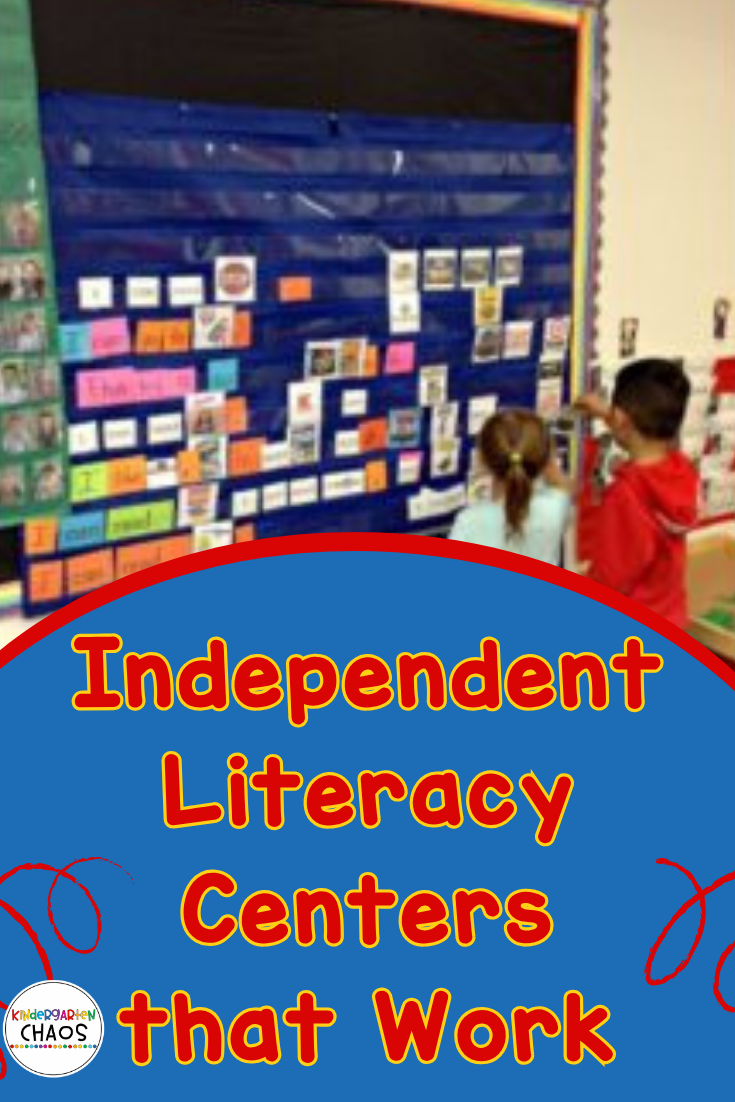
Today I’m sharing the Independent Literacy Centers that Work year after year. These are the centers that will allow you to teach uninterrupted small groups while your other students stay engaged and learning.
Strong independent literacy centers give you the gift of uninterrupted small group instruction. When students know exactly what to do, your teaching becomes more focused and effective.
The goal is independence—not perfection.
A writing center is one of the most valuable literacy centers in any kindergarten classroom. At the beginning of the year, writing might look like drawing pictures and labeling. As the year progresses, students move into writing sentences, stories, opinions, and informational pieces. The goal is to create independent writers who enjoy putting their ideas on paper.
In my classroom, I kept writing center activities simple and organized:
✏️ Monthly Writing Prompts
✏️ Directed Draw and Write Activities
✏️ Sentence Building Activities
✏️ Seasonal Writing Pages
One of my favorite resources is my Kindergarten Writing Center Bundle. It provides engaging, low-prep writing activities for the entire school year so students always have meaningful writing practice ready to go.


Bonus? You don’t have to spend hours creating new writing center activities every month!
If you’ve followed Kindergarten Chaos for any length of time, you know I LOVE pocket charts! Pocket charts are hands-on, interactive, and easy for students to complete independently. (SOR Pocket Chart Station Activities For Little Learners)
Students can practice:
⭐ Sentence Building
⭐ Sight Words
⭐ Word Order
⭐ CVC Words
⭐ Beginning Sounds
⭐ Rhyming Words
⭐ Story Sequencing
Because little learners physically manipulate the cards, engagement stays high while literacy skills grow.


Pocket chart activities are perfect for beginning readers because they provide visual support and hands-on learning at the same time.
Kindergarten students need lots and lots of practice with letters. This center focuses on building strong alphabet foundations through hands-on activities. (SOR ABC Work With Letters Activities For Little Learners)
Students can:
🔤 Match uppercase and lowercase letters
🔤 Build letters with manipulatives
🔤 Complete alphabet puzzles
🔤 Practice beginning sounds
🔤 Sort letters and pictures
🔤 Use magnetic letters
🔤 Complete Lightbox or Flashlight Activities
I love incorporating my Alphabet Puzzles and Light Me Up Flashlight Activities into this center because students think they’re playing while they’re actually learning.
That’s a kindergarten teacher win!
Sight word practice doesn’t have to be boring. Provide activities that encourage students to read, build, write, and interact with sight words.
Try:
⭐ Sight Word Games
⭐ Sight Word Build and Write
⭐ Sight Word Puzzles
⭐ Editable Sight Word Activities
⭐ Color By Code Sight Word Practice


Students gain repeated exposure while staying engaged.
Listening centers help little learners develop comprehension and fluency skills. Students can listen to stories and respond through drawing, retelling, or simple comprehension activities. Listening centers also help build independence and a love of reading.
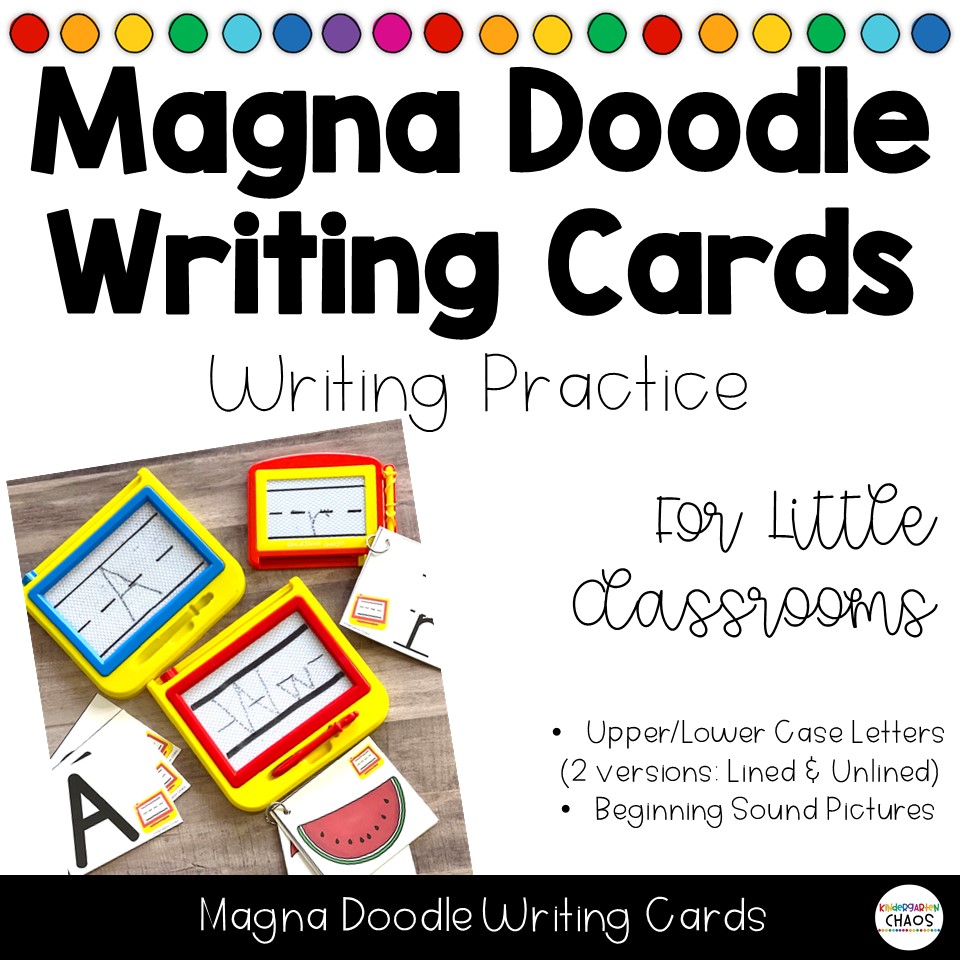
Kindergarten students need opportunities to strengthen those little hand muscles.
Combine literacy and fine motor practice with:
🖍️ Clip Cards
🖍️ Lacing Activities
🖍️ Letter Formation Practice
These activities support handwriting development while reinforcing literacy skills.
The best literacy centers aren’t complicated. They’re predictable. They’re engaging. They’re based on skills students already know. Most importantly, little learners can complete them independently.
When literacy centers are structured this way, you’ll spend less time managing behavior and more time teaching meaningful small groups. And that’s where the magic happens.
When your independent literacy centers run smoothly, everything else in your classroom becomes easier. You get more time to teach, students build independence, and your small groups finally get the attention they need.
Trust me—your future teacher self will thank you!