
If you’ve ever sat down to teach a small group only to hear, “Teacher, what do I do?” five seconds later… you are NOT alone! 😂
Independent learning centers can feel like the holy grail of a kindergarten, Pre-K, first grade, or homeschool classroom. When they work, your little learners are engaged, practicing important skills, and learning how to work independently while you get the time you need for small groups, assessments, and one-on-one instruction.
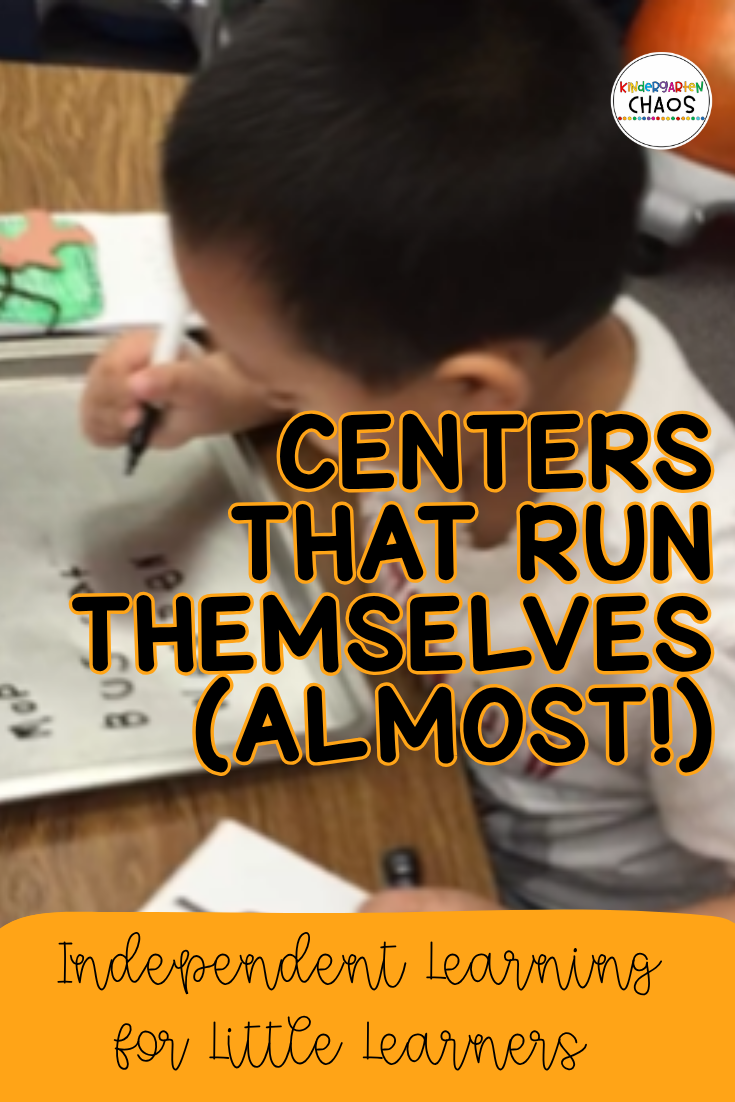
And yes… with the right setup and purposeful activities, your independent learning centers really can almost run themselves!
Centers are so much more than keeping little learners busy.
When students work independently, they are learning how to:
I’ve always believed that centers should have a purpose. They shouldn’t simply be something to fill the time. Your little learners should be DOING something meaningful while they are there. That’s why I love hands-on, low-prep activities that allow students to practice the skills you are already teaching.
For more ideas about why centers are so important, check out my post on Why Are Centers Important in Kindergarten?.
Here’s the secret… The activity itself isn’t the only thing that matters. The ROUTINE matters just as much!
The best independent learning centers are:
When your students already know where to go, what to get, what to do, and where it goes when they are finished, you have created a center that can actually run independently.
And that takes practice! You cannot expect five-year-olds to walk into a brand-new center and magically know what to do. 😂 Teach the routine. Model it. Practice it. Practice it again. Then practice it some more!
One of the biggest mistakes I see teachers make is trying to introduce EVERYTHING at once. You don’t need ten different centers on the first day. Start small. Choose 2–3 simple centers and teach your students exactly how each one works.
Practice:
Once your little learners have mastered those routines, add another center. Slow and steady wins the race!
I share more ideas for Teaching Centers Step-by-Step because independence doesn’t happen overnight. It is something we teach and build throughout the year.
Now for the fun part! Here are some of my favorite types of independent learning centers for little learners.
Literacy centers are perfect for practicing skills students have already been taught.
Try:
I especially love activities that follow the same basic format but change the skill or theme. That way, students aren’t learning a brand-new activity every time they visit the center. They already know what to do!
Check out my ideas for Independent Literacy Centers That Work for even more practical ideas.
Math centers are another great way to provide meaningful independent practice.
Try:
The goal isn’t to introduce a brand-new math concept during center time. Instead, let students practice skills they already know. This builds confidence AND independence.
Writing centers are one of my favorites because little learners can grow so much throughout the year. At the beginning of the year, students might draw and label. Later, they may write sentences, stories, opinions, or informational pieces.
Try:
The key is to make the activity simple enough that students can actually complete it independently.
Don’t forget those little hands! Fine motor activities are perfect for independent centers because students can practice important skills while strengthening the muscles they need for writing.
Try:
My Pom Pom Fine Motor Math Literacy Activities are a great example of combining fine motor practice with academic skills.
This is probably one of my biggest tips for creating successful independent learning centers. Change the skill. Don’t constantly change the routine.
For example, your students might always:
Pick → Complete → Check → Put Away
The next week, you change the sight words. The week after that, you change the math skill. The structure stays familiar. This is especially helpful for little learners because they don’t have to spend their center time figuring out the directions. They already KNOW what to do!
Pictures are your friend! Remember, many kindergarten students are still learning to read. A long list of written directions isn’t going to help much.
Use:
📌 A picture of the materials
📌 A picture showing what to do
📌 A simple 1-2-3 visual
📌 A finished example
Visual directions help students become more independent and reduce those constant interruptions of: “Teacher… what do I do?” 😂
If students can’t find the materials, the center isn’t really independent. Keep everything together.
Use:
And teach your students where everything belongs.
I share more simple ideas in How To Organize Literacy Centers, including ideas for visual rotation charts and organizing your center materials.
This one is important. Your little learners are NOT going to become independent overnight. There will be messes. There will be mistakes. There will still be the occasional… “TEACHER!!!” 😂 That’s okay! The goal isn’t perfection. The goal is to gradually build confident little learners who know how to follow routines, use materials, solve simple problems, and complete purposeful activities with less and less help.
And when that happens? You get something pretty amazing… TIME TO TEACH. ❤️
Independent learning centers don’t have to be complicated. You don’t need fancy materials. You don’t need a million different activities. You need simple routines, purposeful practice, hands-on activities, and lots of modeling and practice. That is the sweet spot. When your little learners know what to expect, centers become calmer, learning becomes more meaningful, and YOU get the breathing room you need to work with your small groups.
Simple. Engaging. Purposeful.
That’s the Kindergarten Chaos way. ❤️✨
And trust me… Your future teacher self will thank you!