
Welcome back to Day 18 of my 31 Days of Kindergarten series!
Today, we’re talking about what actually works in kindergarten. Not the Pinterest-perfect classroom. Not the expensive trends that everyone seems to be buying. Not the teaching strategies that look amazing in a 30-second social media video but completely fall apart by Tuesday afternoon.
I’m talking about the real-life strategies that consistently work with kindergarten students year after year.
If you’ve been teaching for any length of time, you’ve probably discovered that kindergarteners are pretty good at letting us know what works and what doesn’t. They don’t care how cute your bulletin board is. They don’t care if your classroom matches perfectly. And they certainly don’t care how many hours you spent laminating something. What they do care about is learning in ways that are fun, engaging, and meaningful.
After years in the classroom, I’ve learned that student success doesn’t come from fancy decorations or complicated systems. It comes from creating an environment where children can move, explore, practice, collaborate, and learn in ways that make sense for their developing brains.
So if you’re wondering what actually works in kindergarten, here are some of the biggest game-changers I’ve discovered over the years.
If there’s one thing I’ve learned, it’s that kindergarten students learn by doing. Little learners aren’t designed to sit quietly and absorb information all day long. They need opportunities to touch, build, sort, move, manipulate, create, and explore before concepts truly stick. Think about it. Would you rather learn about building a house by reading a book about it or by actually picking up the tools and building something yourself?
Kindergarteners feel the same way. That’s why hands-on activities are such a huge part of our day.
Instead of relying solely on worksheets, students learn through:
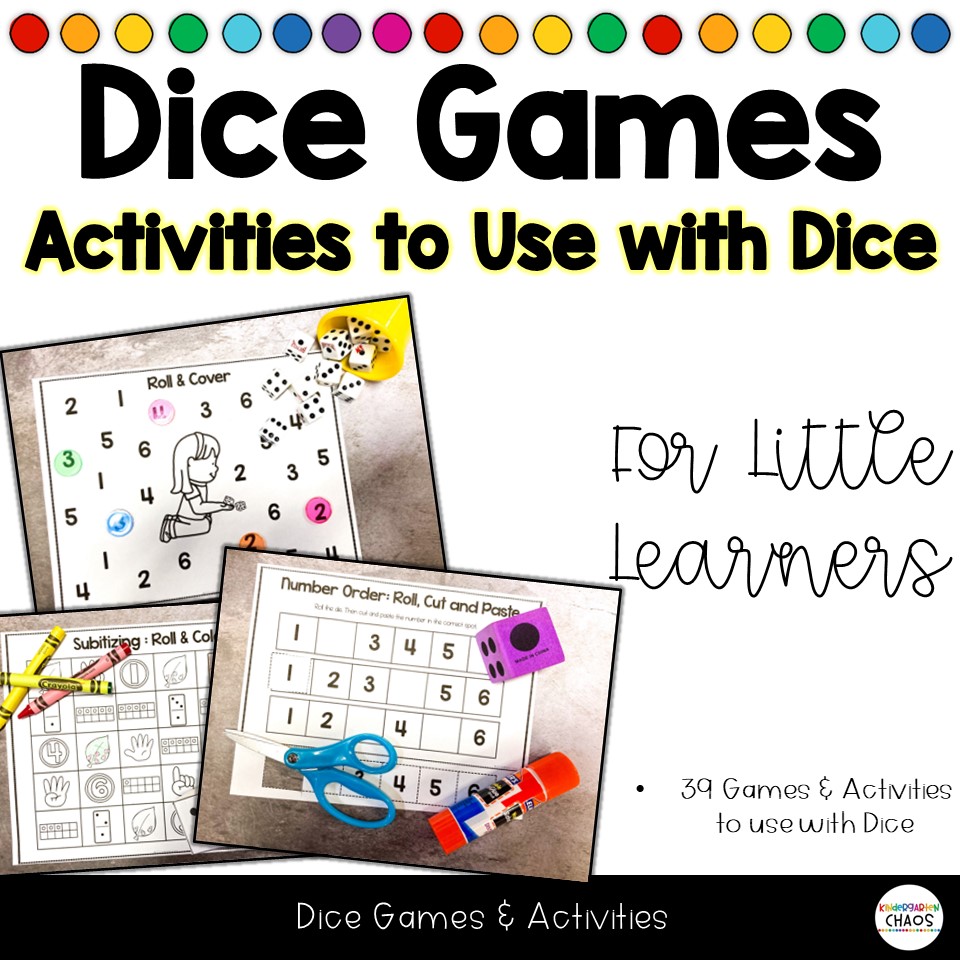
One of the reasons I love creating resources for Kindergarten Chaos is because I know firsthand how much students benefit from active learning experiences. Many of my favorite resources, including the Monthly Activity Bundles, Pom Pom Activities, Fine Motor Activities, and File Folder Activities, are designed specifically to get students actively involved in the learning process.


When students are physically engaged, they’re often more focused, more motivated, and more likely to remember what they’ve learned. The best part? Most students don’t even realize how much learning is happening because they’re having so much fun.
Another strategy that actually works in kindergarten is flexible seating. Now before you picture an Instagram-worthy classroom filled with expensive wobble stools and trendy furniture, let me stop you right there. Flexible seating doesn’t have to cost a fortune. In fact, many teachers are already using flexible seating without even realizing it. At its core, flexible seating simply means giving students options. Some students do their best work sitting at a table. Others focus better while sitting on the carpet. Some love using clipboards while lying on the floor. Others prefer standing while they work.
Throughout the day, my students might choose to work:
Giving students appropriate choices helps them feel more comfortable and more invested in their learning. I’ve also noticed that behavior issues often decrease when students aren’t expected to sit in one spot for long periods of time. Let’s be honest. Most adults don’t enjoy sitting still all day either. Kindergarteners definitely don’t. When we allow children opportunities to move and learn in ways that fit their needs, everyone benefits.
Check out “The Key Benefits Of Flexible Seating” for more tips and where to find my favs.
Speaking of movement…
Movement isn’t a reward in kindergarten. It’s a necessity. Little learners need frequent opportunities to move throughout the day. In fact, I’ve found that some of my most successful lessons include movement as part of the learning process.
Movement helps students:
Some of our favorite movement activities include alphabet hunts, sight word scavenger hunts, directed drawings, movement songs, and brain breaks between lessons. When students have opportunities to move, they return to learning with renewed energy and focus. It’s one of the simplest strategies you can implement, and it consistently delivers results.
If you’re still wondering what actually works in kindergarten, movement should definitely be near the top of the list.