Hey teacher friend 💛
Let’s talk about something that causes a lot of kindergarten chaos… trying to teach everything whole group. It feels like the right thing to do, right? You gather your students on the carpet, teach the lesson, and expect everyone to follow along. But in kindergarten, that’s usually when things start to unravel. Some students understand right away, some are completely lost, and others are rolling around or staring off into space. It’s not you—it’s just how kindergarten works. This is The #1 Mistake New Kindergarten Teachers Make and I will teach you How to Fix It Fast.

Why Whole Group Doesn’t Work in Kindergarten
The reality is that kindergarten students come in at very different levels. In one classroom, you might have students who don’t know their letters yet sitting next to students who are already reading simple words. When everything is taught whole group, it becomes almost impossible to meet everyone’s needs at the same time.
What ends up happening is you’re teaching to the middle. Your higher students get bored, your lower students get frustrated, and you’re left trying to manage behaviors while also teaching. That’s where the overwhelm starts to kick in, and it can make your day feel a lot harder than it needs to be. (What Is Tier 1 Whole Group Instruction?)

What This Looks Like in Your Classroom
If you’ve ever felt like your lessons aren’t sticking or your little learners aren’t engaged, this is probably why. You might notice students calling out random answers, losing focus quickly, or needing constant redirection. Even the best-planned lessons can fall flat when they’re not reaching students at their level.
This is often when teachers start thinking they need more activities, more structure, or more control—but the real issue is usually the teaching format, not the effort.
The Simple Fix That Changes Everything
The shift is actually pretty simple: keep your whole group time short and move the real learning into small groups. Whole group should be used to introduce a skill, model what it looks like, and get everyone started. This doesn’t need to be long—about 10–15 minutes is usually plenty.
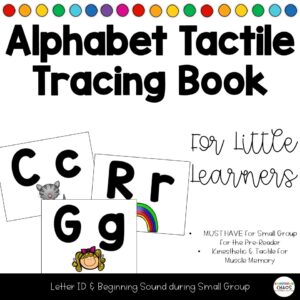
After that, small groups are where the meaningful learning happens. This is where you can meet your students where they are and focus on exactly what they need. Some students might be working on letter identification, while others are practicing sounds or beginning to blend words. When instruction matches their level, little learners are more engaged and actually make progress. (Benefits of Small Group Instruction for Kindergarteners)

Keeping the Rest of Your Class Running Smoothly
Of course, small groups only work if the rest of your class can stay engaged independently. This is where simple, predictable activities come in. Your little learners should be working on things they already know how to do, not brand new tasks that require a lot of help.
Keeping activities familiar and routine-based helps build independence and keeps interruptions to a minimum. It might not look fancy, but it works—and that’s what matters most in a kindergarten classroom. (Why Are “Centers” Important In Kindergarten?)
What Happens When You Make This Shift
Once you move away from teaching everything whole group, you’ll start to notice a big difference. Your students will be more engaged because the work makes sense to them. Behaviors will decrease because students aren’t as frustrated or bored. And you’ll feel less overwhelmed because you’re not trying to meet every need all at once.
It won’t be perfect right away, and that’s okay. Like anything in kindergarten, it takes practice and consistency. But this one change can completely transform the way your classroom feels and functions.
Final Thoughts
If you’re a new kindergarten teacher, this is one of those things you learn with time. You don’t need to do more or add more to your plate—you just need to shift how you’re using your time.
Less whole group.
More small group.
Simple, consistent routines.
That’s the key to less chaos and more meaningful learning. 💛
Your teaching will feel more effective.
And your classroom will run so much smoother.