
As kindergarten teachers, we know that not every child learns at the same pace. Some students soar through letters, sounds, and numbers, while others need a little extra time and support to find their rhythm. The great news? With the right strategies and a nurturing approach, every child can succeed.
If you’re wondering how to help struggling kindergarten students improve, these teacher-tested ideas will help you boost confidence, strengthen skills, and create a classroom where all little learners can thrive.
The first step in helping struggling students is understanding why they’re struggling. Observe carefully and look for patterns.
Are they having trouble with letter recognition or sounds?
Do they struggle with fine motor skills, counting, or attention span?
Are they shy, anxious, or easily frustrated?
✨ Teacher Tip: Use simple kindergarten assessments (ESGI) and checklists to track progress and pinpoint exactly what to target. Focused intervention is more effective than general review.
What to read more about Assessments In Kindergarten? Click HERE.
Differentiated instruction is key to helping struggling kindergarteners improve. Modify activities based on skill level and learning style.
For Literacy: Focus on phonemic awareness, letter tracing, and name recognition in small groups. (Benefits of Small Group Instruction for Kindergarteners)
For Math: Use manipulatives like counters, cubes, and ten frames for hands-on learning.
For Fine Motor Skills: Practice cutting, tracing, lacing, and playdough activities daily.
Remember: differentiation doesn’t mean more work — it means the right kind of work for each student.
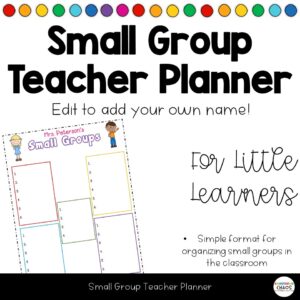
Grab this **FREEBIE** to help keep your small groups and differentiated learning organized and running smoothly!

FYI – many of the resources in my Kindergarten Chaos and TPT store are perfect for differentiated teaching, hands-on practice, and meaningful learning!
Multisensory teaching strategies help struggling learners make stronger brain connections. When students see, touch, move, and hear information, learning sticks.
Try these hands-on kindergarten activities:
Write letters in salt or sand trays.
Jump or hop on taped sight words.
Clap syllables in words or names.
Build CVC words with magnetic letters.
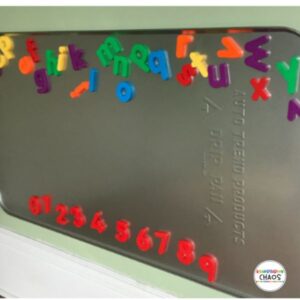
Engaging multiple senses boosts retention and makes learning feel like play! Check out “Magnet Boards In Kindergarten Classroom” for more ideas.
Struggling students thrive in predictable classrooms. Consistent routines and repeated practice help build confidence and memory.
???? Use daily warm-ups, chants, and short review games to revisit key concepts like letter sounds, number recognition, and rhyming.
Repetition isn’t boring — it’s how mastery happens.
Don’t miss out on these tips: “Morning Routine Tips to Start the Day Smoothly“
Confidence is often the missing piece for struggling kindergarteners. Celebrate every small win — whether it’s remembering a letter, writing their name, or counting to ten.
???? Create a “Look What I Can Do!” wall or give out growth mindset certificates.
Use positive language like:
“You’re learning!” or “You’re getting stronger every day!”
A confident child is a willing learner.
Visual aids are powerful tools for early learners. Use picture cards, anchor charts, and color-coded materials to reinforce understanding.
✅ Try adding:
Alphabet and number charts
Step-by-step picture directions
Visual schedules and task cards


These supports help little learners work independently and reduce frustration.
Home-school partnerships are essential for your students growth. Communicate regularly and share simple, practical activities that grown-ups can do at home:
Read aloud daily.
Practice writing names with chalk, crayons, or markers.
Count everyday objects like snacks, stairs, or toys.
When students grown-ups feel involved, your students make faster, more consistent progress.
Technology to Communicate with Grown-Ups of Your Students has more ideas and tips.
Use simple progress-tracking tools like portfolios, observation notes, or goal sheets. Celebrate even small gains — progress motivates both students and teachers!
????️ Keep a folder of each child’s work samples to show growth over time. It’s a great confidence booster and helpful for parent conferences too.

Growth in kindergarten takes time. Some students make big leaps quickly, while others improve gradually. The most powerful thing you can offer is consistent encouragement and belief in their potential.
Your calm presence, patience, and high expectations create the safe space they need to grow. ❤️
Helping struggling kindergarteners improve isn’t about doing more — it’s about teaching smarter, observing closer, and connecting deeper.
By differentiating instruction, using multisensory learning, and celebrating small wins, you’ll build a foundation of confidence and success that lasts far beyond kindergarten.
Remember, every child can learn — just not in the same way or on the same day. ????